Pavilion in Wind Gap, PA, That Creates a More Usable Backyard Retreat
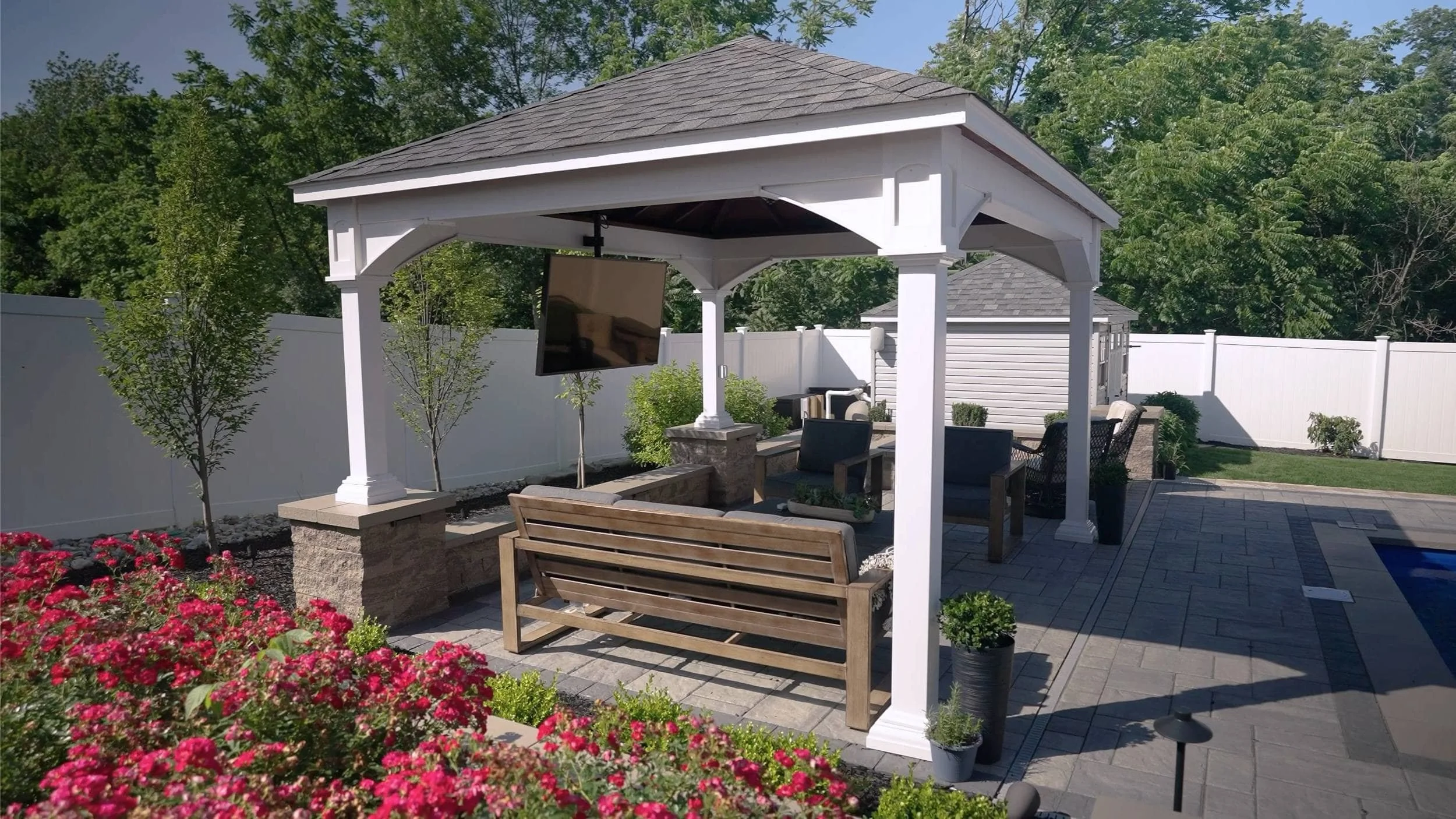
A well-designed pavilion gives your Wind Gap, PA, backyard a true destination: shaded, comfortable, polished, and ready for everyday living. In a region with warm summers, chilly evenings, spring rain, and winter snow, a covered outdoor structure can make your backyard feel less like “extra space” and more like the best room of the house.
Related: Bethlehem, PA, Outdoor Living: Pavilion Structures and Pond Features that Wow
A Pavilion That Changes How You Use Your Backyard
A backyard retreat should do more than look impressive from the kitchen window. It should invite you outside. It should make weeknights feel less ordinary, weekends feel easier, and gatherings feel like they belong in a setting that was designed with intention.
In Wind Gap, outdoor living is shaped by the rhythm of Pennsylvania weather. Summer afternoons can be bright and humid. Spring brings soft rain and fresh growth. Fall arrives with crisp air, colorful views, and evenings that beg for a fire feature or covered gathering space. Winter reminds us that anything built outdoors needs to be planned with strength, drainage, and long-term performance in mind.
When we design a pavilion, we are not just placing a structure in the yard. We are creating an outdoor room that fits your home, your landscape, and the way you want to live outside.
A pavilion can anchor a patio, frame an outdoor dining area, support a lounge space, or connect beautifully with plantings, walkways, masonry, lighting, and other outdoor living features. It gives the backyard hierarchy. It creates a reason to gather.
What Are The Benefits Of Having A Pavilion?
A pavilion adds comfort, structure, and purpose to your backyard. It creates a space that feels finished, protected, and ready for real use—not just when the weather is perfect, but during many of the in-between moments that make outdoor living in Wind Gap so enjoyable.
More Comfortable Shade During Warm Weather
Summer in Northampton County can bring strong sun and sticky afternoons. A pavilion gives you a shaded place to relax without retreating indoors.
That shade matters. It makes outdoor dining more comfortable, protects furnishings from constant sun exposure, and gives guests a natural place to gather. Instead of moving chairs around the patio to chase shade, the design does the work for you.
A pavilion can help support:
Outdoor dining during bright afternoon hours
Comfortable lounge seating protected from direct sun
A cooler gathering space during humid summer evenings
A more usable patio throughout the day
Protection From Light Rain And Passing Weather
Wind Gap homeowners know how quickly weather can shift. A sunny afternoon can turn into a passing shower, and without cover, outdoor plans often end early.
A pavilion helps keep the experience going. It gives you a place to enjoy fresh air even when conditions are less than perfect. For homeowners who love hosting, this makes the backyard feel more reliable.
No one wants to carry cushions inside at the first sign of drizzle. A covered structure adds peace of mind and keeps your outdoor space feeling prepared.
A Stronger Sense Of Outdoor Architecture
A patio alone can be lovely, but a patio with a pavilion becomes an outdoor room. The posts, roofline, beams, and ceiling details create architecture. They add height, dimension, and visual weight.
This is especially important for larger properties or open backyards where a seating area may otherwise feel exposed or unfinished. A pavilion gives the space a center.
It can:
Frame views across the landscape
Balance the scale of the home
Create a focal point from inside the house
Make the backyard feel more intentional and complete
Better Flow For Entertaining
A pavilion naturally organizes how people move and gather. Guests understand where to sit, where to eat, and where the main gathering area is. That kind of clarity makes entertaining feel effortless.
When we design these spaces, we think through circulation carefully. The pavilion should not block movement or create awkward pinch points. It should connect smoothly to doors, walkways, patios, outdoor kitchens, planting areas, and other key features.
A well-designed pavilion makes the backyard feel easy to use.
More Enjoyment In Spring And Fall
Some of the best outdoor moments in Wind Gap happen outside peak summer. Spring brings fresh color and softer temperatures. Fall brings crisp evenings, changing leaves, and comfortable afternoons.
A pavilion helps you enjoy those seasons more often. With lighting, thoughtful furniture placement, and nearby features such as a fire element, the space becomes inviting well beyond July and August.
The result is an outdoor retreat that feels useful for more of the year.
Can I Put A Pavilion In My Backyard?
In many cases, yes. But a pavilion should be planned carefully so it fits the property, follows local requirements, and functions as part of the full landscape design.
Property Size And Layout Matter
A pavilion does not need an enormous estate to work well, but it does need the right placement. The structure should feel proportional to the yard and connected to the home.
Before recommending a size or location, we consider how the backyard already works.
We look at:
The size and shape of the usable outdoor space
Existing patios, walkways, slopes, and planting beds
Sun exposure throughout the day
Drainage patterns
Views from inside the home
Privacy from neighboring properties
Access from the house to the pavilion
In Wind Gap, some properties may include grade changes, mature trees, or open exposure to wind. Those details influence where a pavilion belongs and how it should be oriented.
Local Regulations And Permitting Should Be Considered Early
A pavilion may require zoning review, permits, setback consideration, or other approvals depending on the property and project scope. These details should be addressed before construction begins.
That is one reason working with experienced landscape design and construction professionals matters. The structure is only one part of the project. Proper planning protects the design, timeline, and finished result.
Drainage And Site Preparation Are Essential
A pavilion needs a stable, well-prepared setting. In Pennsylvania, freeze-thaw cycles, seasonal rain, and snow all make proper site preparation important.
Water should move away from the structure and surrounding living areas. Patio surfaces should be built with the right base preparation and pitch. Footings and structural elements should be planned for long-term performance.
A beautiful pavilion loses its impact quickly if the surrounding space holds water, shifts, or feels uncomfortable underfoot. The groundwork matters.
The Pavilion Should Connect To The Rest Of The Landscape
The best pavilion designs do not feel isolated. They belong to a larger outdoor environment.
That may include:
A patio or terrace beneath and around the pavilion
Walkways connecting the space to the home
Plantings that soften the structure
Lighting for evening use
Seating areas arranged for conversation
Outdoor dining space
Nearby fire or cooking features when appropriate
When those elements work together, the pavilion feels less like a standalone structure and more like the heart of the backyard.
What Should A Pavilion Have?
A pavilion should have more than a roof and posts. It should have the right proportions, materials, comfort features, and surrounding design elements to make it feel polished and complete.
A Strong, Well-Proportioned Structure
The structure itself should feel substantial without overpowering the yard. Posts, beams, roof pitch, and ceiling height all affect how the pavilion feels.
Too small, and it feels cramped. Too large, and it can dominate the space. Too plain, and it may not match the quality of the home. Too ornate, and it can feel forced.
The goal is balance.
A high-end pavilion should feel architectural, confident, and aligned with the home’s character.
A Roofline That Complements The Home
The pavilion roof is one of the first things people notice. It should complement the house rather than compete with it.
Roof pitch, color, materials, trim details, and overall style all contribute to the final look. In Wind Gap, roofing also needs to perform well through rain, snow, wind, and seasonal temperature changes.
A thoughtful roof design helps the pavilion feel established and permanent.
Comfortable Lighting
Lighting turns a pavilion into an evening retreat. Without it, the space may look great during the day but lose function after sunset.
Lighting can support:
Dining
Reading
Conversation
Pathway visibility
Architectural detail
Atmosphere
The goal is not to blast the space with harsh light. The best outdoor lighting feels layered, warm, and intentional.
Ceiling Details And Airflow
The ceiling of a pavilion is a major design opportunity. It is also a comfort feature.
A finished ceiling can make the structure feel more refined, while ceiling fans can improve airflow during humid summer days. In a covered outdoor space, air movement can make a noticeable difference.
Depending on the design, the pavilion may include:
Finished ceiling materials
Exposed beams
Ceiling fans
Integrated lighting
Electrical planning for convenience and comfort
A Durable Surface Underfoot
The surface beneath the pavilion should be built for outdoor living. It needs to handle furniture, foot traffic, moisture, and seasonal changes.
This is where the pavilion connects directly with the surrounding patio or outdoor living area. The surface should feel cohesive, not like a separate patch dropped under the roof.
A refined design may include coordinated pavers, masonry, or other professionally installed outdoor surfaces that support the overall look and use of the space.
A Layout Designed Around How You Live
A pavilion should be designed around use, not just appearance.
Some homeowners want a quiet lounge. Others want a dining destination. Some want a flexible space that supports everything from morning coffee to larger gatherings.
We think through:
Furniture size and placement
Clear walking paths
Table spacing
Sightlines
Shade patterns
Proximity to the house
Connection to surrounding features
That planning is what makes the final space feel natural instead of awkward.
What Is A Good Size For A Backyard Pavilion?
A good pavilion size depends on your property, the intended use, and the scale of the surrounding landscape. The right size is not simply the biggest structure that can fit. It is the size that makes the space feel comfortable, useful, and balanced.
Start With The Purpose
The first question is simple: What do you want the pavilion to do?
A pavilion for two lounge chairs and quiet evenings requires a different footprint than one designed for a full dining table and entertaining space.
Common uses include:
Outdoor dining
Lounge seating
Covered entertaining
Poolside shade
A destination patio
A backyard retreat with multiple seating zones
Once the purpose is clear, the size becomes easier to refine.
Plan For Furniture, Not Just Square Footage
A pavilion may sound large on paper and still feel tight once furniture is added. Dining chairs need room to pull out. Lounge furniture needs circulation space. Guests need to move comfortably without squeezing around posts or table corners.
This is where professional design makes a major difference.
We plan around the actual experience of the space, including how people sit, stand, walk, serve food, and gather.
Keep The Pavilion Proportional To The Home
A pavilion should feel connected to the scale of the house. A small structure behind a large home may look underwhelming. An oversized structure behind a modest home may feel heavy.
Proportion matters from every viewpoint:
From inside the home
From the patio
From the yard
From neighboring sightlines
From the approach to the outdoor living area
The right pavilion feels substantial, but not overwhelming.
Consider The Full Outdoor Living Footprint
The pavilion is often only one part of the backyard retreat. The surrounding patio, walkways, plantings, and open space all matter.
A pavilion should leave enough room for the rest of the landscape to breathe. It should create comfort without consuming every inch of the yard.
For many Wind Gap properties, that balance is especially important because outdoor spaces may need to accommodate grade changes, views, privacy needs, or existing mature landscape features.
What Is The Best Material For A Pavilion?
The best material depends on the home’s architecture, desired maintenance level, surrounding landscape, and long-term performance needs. In Wind Gap, materials must be selected with Pennsylvania weather in mind.
Wood For Warmth And Character
Wood remains a popular pavilion material because it brings warmth, texture, and a classic outdoor feel. It pairs beautifully with planting beds, masonry, patios, and traditional home styles.
Wood can feel rustic, refined, or transitional depending on how it is detailed.
It may be used for:
Posts
Beams
Rafters
Ceiling details
Trim accents
Because wood is exposed to moisture, sun, and seasonal changes, proper selection and finishing are important.
Engineered Materials For Performance
Some homeowners prefer materials that offer a clean look with reduced maintenance needs. Engineered or composite options can provide stability and durability while supporting a polished finished appearance.
These materials may be appropriate when the design calls for consistency, clean lines, or long-term resistance to moisture-related wear.
Masonry And Stone For A More Anchored Look
Masonry and stone can give a pavilion more presence. Even when the main structure is wood or another material, masonry bases, columns, surrounding walls, or adjacent features can make the space feel grounded.
This works especially well when the pavilion is part of a larger outdoor living area with patios, steps, walls, or planting transitions.
Stone and masonry can help the structure feel connected to the landscape rather than simply sitting on top of it.
Roofing Materials That Match The Home
The pavilion roof should be selected for both appearance and performance. Matching or complementing the home’s roofing can help the structure feel integrated.
In Wind Gap, roofing should be planned for:
Rain runoff
Snow load
Wind exposure
Seasonal expansion and contraction
Long-term durability
The right roofing choice helps the pavilion feel like a permanent extension of the property.
Designing For Wind Gap Weather And Climate
A pavilion in Wind Gap must be designed for four-season Pennsylvania living. That means every decision should account for comfort, weather exposure, and construction timing.
Spring Conditions
Spring can be an excellent time to begin outdoor projects, but rain and saturated ground conditions can affect scheduling. Proper drainage planning is especially important during this season.
Spring also gives homeowners a chance to enjoy the finished space during late spring and summer, when outdoor living becomes a daily pleasure.
Summer Conditions
Summer brings longer days and more outdoor entertaining opportunities. It also brings heat and humidity.
For summer comfort, a pavilion can include shade, fans, lighting, and thoughtful orientation. The structure should be positioned to reduce harsh sun exposure while still feeling open and inviting.
Fall Conditions
Fall is one of the most enjoyable seasons for outdoor living in Wind Gap. Comfortable temperatures and colorful surroundings make a pavilion feel especially valuable.
This is also a season when homeowners often recognize how much they want a covered, comfortable gathering space before winter arrives.
Winter Considerations
Winter weather affects design and construction planning. Snow, freezing temperatures, and freeze-thaw cycles all matter.
A pavilion should be engineered and built with these conditions in mind. Footings, drainage, roof design, and material selection all contribute to long-term performance.
We create incredible outdoor spaces through a blend of expert design, master craftsmanship, and a deeply rooted commitment to customer satisfaction.
With over 25 years of experience, our team, led by Chris Stocker, has been transforming outdoor spaces into personalized sanctuaries that reflect the unique lifestyle and aspirations of each homeowner.